
Choosing the right plot is the first and most crucial step in building your dream home in Kerala. Whether you’re planning a traditional Tharavadu style house, a modern family residence, or an investment property, selecting the best land impacts your design freedom, budget, future usability, and legal safety. In Kerala’s unique geographical and cultural landscape — with waterways, back-drops of hills, monsoon patterns, and local regulations — smart plot selection becomes essential.
In this guide, we’ll break down practical, architect-backed steps to help you evaluate and select the right plot before construction begins.
1. Decide Your Budget and Priorities First

Before you start visiting plots:
- Set a clear budget (land + registration + taxes + development cost).
- Decide your primary priorities:
- proximity to city/town centers
- access to schools, hospitals, or workplace
- size and shape of the plot
- orientation for natural light
- Keep additional budget for site development works (drainage, retaining walls, soil stabilization).
Tip: Don’t stretch your budget for land at the cost of compromising on basic amenities and connectivity.
2. Understand Kerala’s Local Zoning and Land Use Rules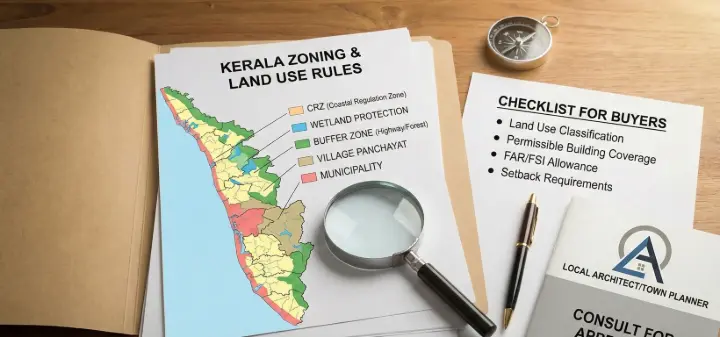
Kerala has specific zoning norms — especially in:
- Village Panchayat and Municipality rules
- Coastal Regulation Zone (CRZ) near backwaters and sea
- Wetland and water body protection zones
- Buffer zones near highways and protected forests
Before buying, verify:
- land use classification
- permissible building coverage
- FAR/FSI allowances
- setback requirements
A local architect or town planner can save you from future legal hassles and rejected building permits.
3. Check the Land’s Legal Clearances and Title Records
Legal issues can destroy a dream home build. Always ensure:
Clear Land Title
Verify ownership documents back at least 30 years.
Encumbrance Certificate (EC)
This shows if the land has mortgages, disputes, or prior claims.
Sy No. and Re-Survey Details
These should match the official revenue records without conflicting entries.
No Pending Taxes
Ensure there are no unpaid property taxes.
Never buy land with verbal assurances alone — always confirm with authenticated documents.
4. Evaluate Soil and Topography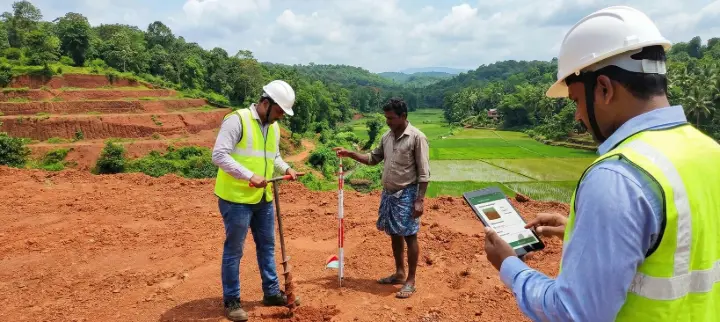
Kerala has diverse terrains — plains, laterite hills, valleys, and paddy fields. A soil test and topographical survey help you understand:
- Soil bearing capacity – affects foundation design
- Drainage patterns – critical in monsoon regions
- Slope of land – impacts earthwork and construction cost
Laterite soil is common in Kerala and excellent for foundations when tested and approved.
5. Assess Accessibility and Infrastructure
Good connectivity improves livability and future resale value.
Ask:
- Is the plot near a public road?
- Is there street lighting and drainage?
- Access to water supply, electricity, and telecom?
- Distance to hospitals, schools, markets, and public transport?
Plots far from infrastructure may seem cheaper but cost more in development later.
6. Observe the Orientation and Climate Factors
In Kerala’s tropical climate, plot orientation affects comfort and energy efficiency.
- East and North facing plots are usually preferred
- Avoid plots with blocking structures on the south or west
- Check how sunlight hits the plot throughout the day
- Ensure cross-ventilation opportunities for your future design
Architects can help you choose a plot that maximizes sunlight, wind flow, and energy savings.
7. Consider Water Availability and Drainage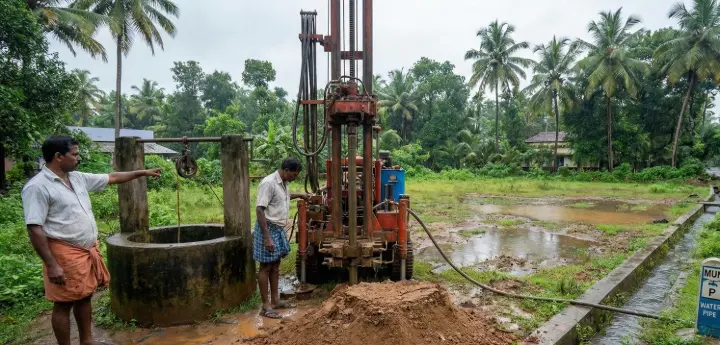
Water is life — and a common concern in Kerala:
- Does the plot have borewell potential?
- Is there municipal water connection nearby?
- Does the land show signs of waterlogging in monsoon?
Good natural drainage protects your foundation and avoids future maintenance issues.
8. Walk the Neighbourhood
Visit the site multiple times at different times of the day:
- Observe noise levels
- Check traffic movement
- Evaluate crime and safety aspects
- Look for nearby future developments
- Talk to neighbours about history and regulations
Your daily lifestyle and comfort depend on the neighbourhood feel as much as the plot itself.
9. Factor in Resale and Long-Term Value
Even if you’re building to stay, land is a long-term asset.
Ask:
- Is the area upcoming or already developed?
- Are new facilities planned nearby?
- Does the plot allow expansion in future?
Well-chosen land appreciates faster.
10. Always Consult Professionals Early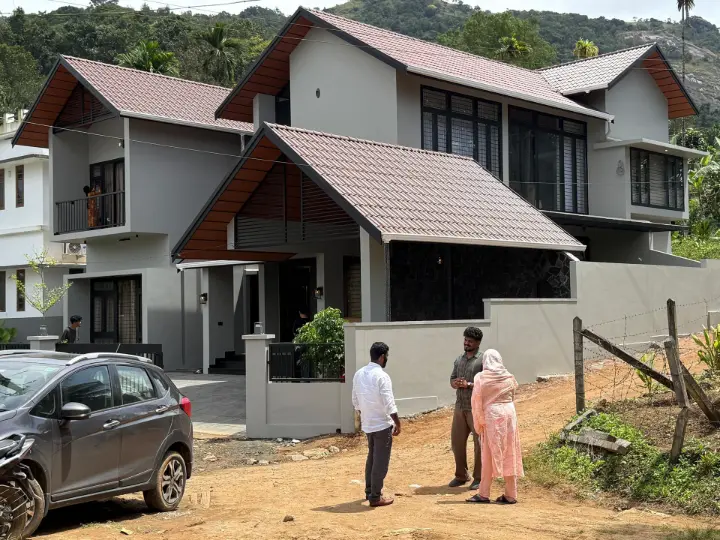
Architects and planners can help you:
- Shortlist plots wisely
- Perform technical surveys
- Understand legal, ecological, and structural constraints
- Design a home that fits the land, not forces the land
At R+USA Architects, we help clients make informed plot choices and streamline every phase — from land evaluation to building design and approval documentation.
Choosing the right plot in Kerala isn’t just about location — it’s about legal clarity, future comfort, climate adaptability, and smart investment. Take time, inspect rigorously, and lean on expert advice.
Right land + thoughtful design = home that truly feels like home.
FAQs
What is the safest land type to buy in Kerala?
Purayidam (dry land) with clear title and road access is typically safest for residential construction.
Is CRZ approval mandatory?
Yes, if the plot lies in coastal regulation zones. Construction without clearance can be demolished.
How important is soil testing?
Very important. It determines foundation type and prevents structural issues.
Can I build on converted paddy land?
Only if legally converted and compliant with wetland regulations.
Should I consult an architect before buying?
Yes. Early consultation prevents costly redesign and legal errors.
Ready to find your perfect plot in Kerala and start designing your dream home?
Contact R+A Architects today for a free consultation and expert land-evaluation support.
About the Author
Mohammed Rashid
Founder & Principal Architect, R+A Architects
Mohammed Rashid, Founder & Principal Architect at R+A Architects, holds a B.Arch from Anna University. With 60+ projects across India, Dubai, and Europe, and awards including India Design 2023 and Stellar Design 2024, he champions modern Kerala architecture rooted in climate, comfort, and culture.
in Architecture
Related Reading
- Architectural Services in Perinthalmanna, Kerala
- Architecture & Design Insights for Kerala Homes & Businesses
Explore next:
- How a Good Architect Can Simplify the Complexities of Building Permits
- Kerala Coastal Zone Management Authority.
- Build Your Luxury NRI Villa in Kerala with Complete Design + PMC Support
in Architecture